How to Perform a Dental Crown Restoration
Learn the step-by-step clinical process for preparing a compromised tooth and placing a temporary and final dental crown restoration.
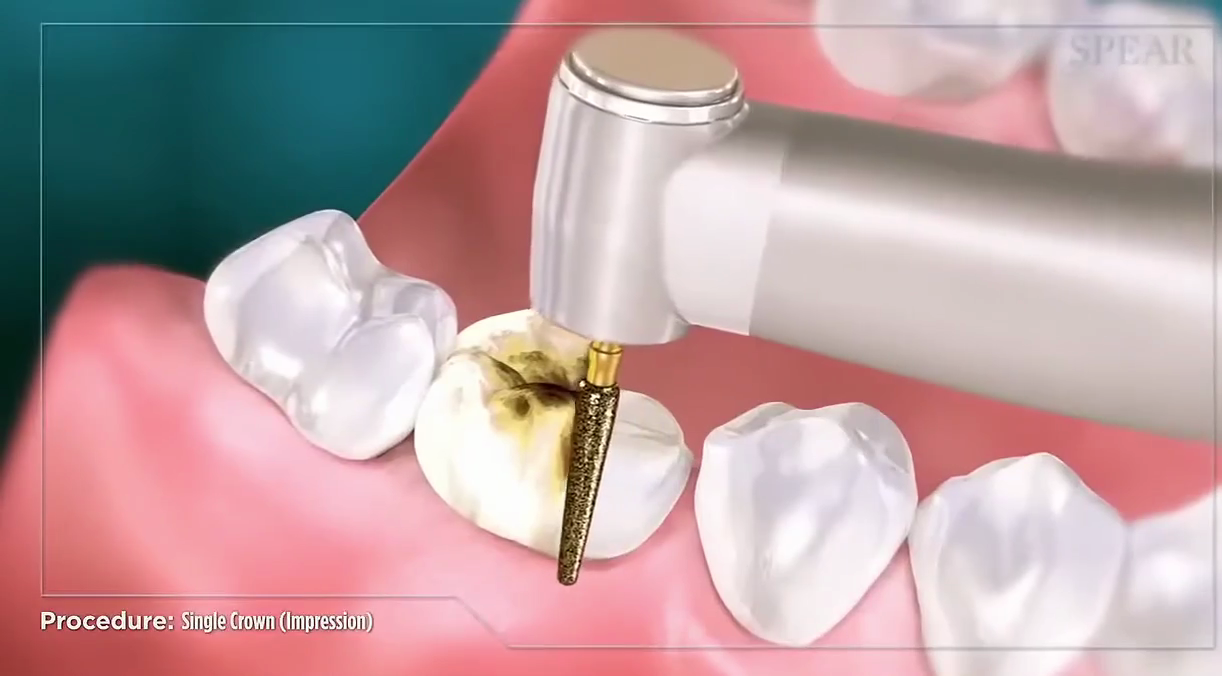
This guide explains the step-by-step process of restoring a compromised tooth using a dental crown. By following this procedure, clinicians can rebuild the tooth to its optimal anatomical shape, strength, and function.
This procedure applies to dental professionals and patients involved in restorative dentistry. It is utilized during clinical workflows to treat severely decayed or structurally damaged teeth over multiple appointments.
When a tooth's structure is compromised, a crown rebuilds it to optimal shape and function. Crowns can be constructed from metal, ceramic, or ceramic covering a metal base.
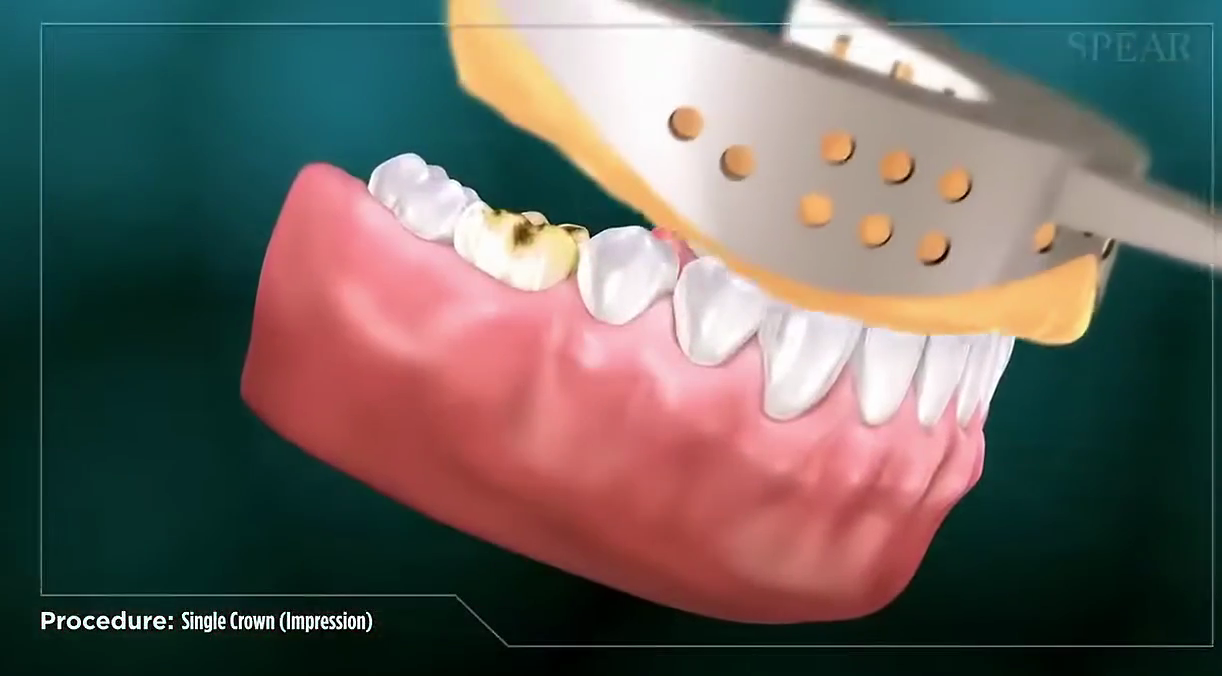
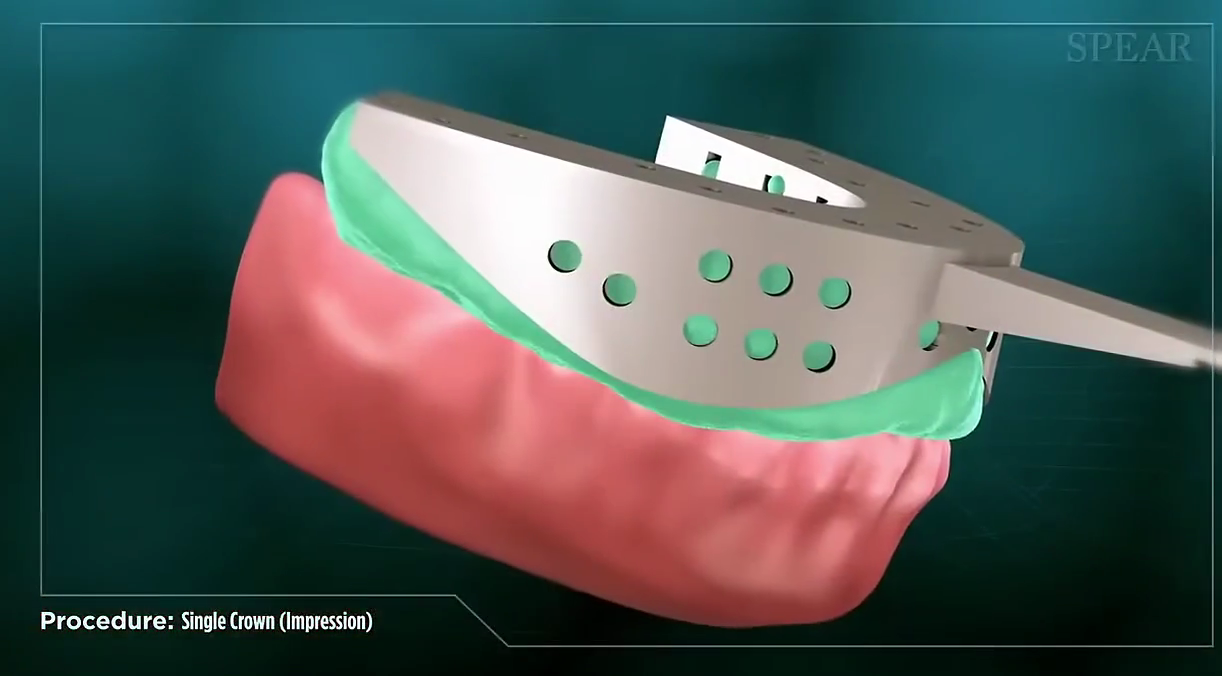
First Appointment: Preparation and Temporary Crown
Second Appointment: Final Restoration
At a subsequent appointment, the laboratory will have completed the final crown.
Once the permanent crown is secured, the tooth is fully restored to its ideal shape and function.
Q: What materials are dental crowns made from?
A: Crowns can be manufactured from metal, ceramic, or a combination of ceramic layered over a metal base depending on functional and aesthetic needs.
Q: How many appointments are needed to complete a crown procedure?
A: The procedure typically requires multiple appointments. The first visit involves tooth preparation and placing a temporary crown, while the final restoration is delivered and seated during a subsequent visit.
Term | Definition |
|---|---|
Dental impression | A mold or imprint of the teeth used to capture their exact anatomical geometry for fabricating restorations. |
Temporary crown | A short-term protective covering placed over a prepared tooth while the permanent restoration is being fabricated by a dental laboratory. |
Restoration | A dental treatment, such as a crown, designed to rebuild the structural integrity, shape, and function of a compromised tooth. |