
Read summarized version with
What is a Blur Tool?
A blur tool is a software feature or application that obscures portions of images or videos by softening and smearing pixels together. The effect renders text, faces, or other details unreadable while preserving the overall context of the image. If you share visual content and need to keep sensitive information private, a blur tool has probably become part of your regular workflow.
Most blur tools rely on Gaussian blur algorithms, which average the color values of neighboring pixels to produce a smooth, out-of-focus appearance. Some go further. Advanced blur tools offer motion blur, radial blur, pixelation, or AI-powered smart blur that can automatically detect sensitive patterns like email addresses, phone numbers, and faces.
You will find blur tools built into all kinds of software these days. Photo editing applications like Photoshop and GIMP include them. Screenshot utilities like Snagit and CleanShot have quick blur options. There are blur tool online options that let you work directly in your browser without installing anything. Documentation platforms often bundle blur features with their other screenshot editor capabilities, so privacy protection happens naturally during content creation rather than as a separate chore.
Key Characteristics of a Blur Tool
- Selective Application: You can typically draw over specific areas to blur only what needs hiding, leaving the rest of the image sharp
- Adjustable Intensity: Control how strong the blur effect is, from a light softening to complete obscuration depending on your needs
- Multiple Blur Types: Options usually include Gaussian blur, pixelation, motion blur, and solid color redaction for different visual effects and security levels
- AI Detection: Advanced tools can automatically identify sensitive content like faces, license plates, text patterns, or personal data without you having to select anything manually
- Non-Destructive Editing: Many tools preserve the original image, applying blur as a separate layer so you can adjust or remove it later if needed
Blur Tool Examples
Example 1: Protecting Privacy in Documentation
A training team creates how-to guides that include screenshots of their CRM system. Naturally, those screenshots contain customer names, email addresses, and purchase histories. Before publishing, they run each image through a blur tool to obscure the personal data. The instructions stay clear and actionable, but no real customer information gets exposed.
Example 2: Compliance in Video Content
A healthcare organization records a walkthrough of their patient management software. The video captures screens with patient names, medical record numbers, and appointment details. Using an image blur tool during editing, they redact all protected health information before the video goes out for staff training. This keeps them HIPAA compliant while still producing useful educational content.
Example 3: Social Media Sharing
A content creator wants to share a photo from a recent event, but several attendees did not consent to having their faces published. A blur tool online lets them quickly blur those faces before posting. The photo still captures the atmosphere of the event without stepping on anyone’s privacy.
Blur Tool vs Redaction Tool
Both blur tools and redaction tools hide information, but they work differently and offer varying levels of security.
| Aspect | Blur Tool | Redaction Tool |
|---|---|---|
| Visual Result | Softened, smeared effect that is unreadable but still visible | Solid color overlay that completely covers content |
| Reversibility Risk | Some blur can theoretically be reversed with effort | Properly applied redaction is permanent and irreversible |
| Aesthetic | Looks more natural and less intrusive | Clearly signals intentional censorship |
| Best For | General privacy, casual sharing, documentation | Legal documents, compliance, high-security content |
| Processing Speed | Usually very fast | May require more careful application |
For most documentation and training purposes, blur tools work well enough. When you are dealing with legal documents or situations where document control really matters, solid redaction offers more complete protection.
How Glitter AI Helps with Blur
Glitter AI includes a built-in blur and annotation editor as part of its documentation workflow. When you capture processes with Glitter, you can immediately blur any sensitive information that shows up in your screenshots or recordings. Select the blur feature, draw over passwords, email addresses, or confidential data, and that content becomes unreadable before you share or publish.
This integrated approach means teams do not need separate software just for privacy protection. The blur tool works alongside Glitter’s automatic step generation, annotations, and visual work instructions. You can create polished process documentation that protects privacy and meets compliance requirements, all within the same platform.
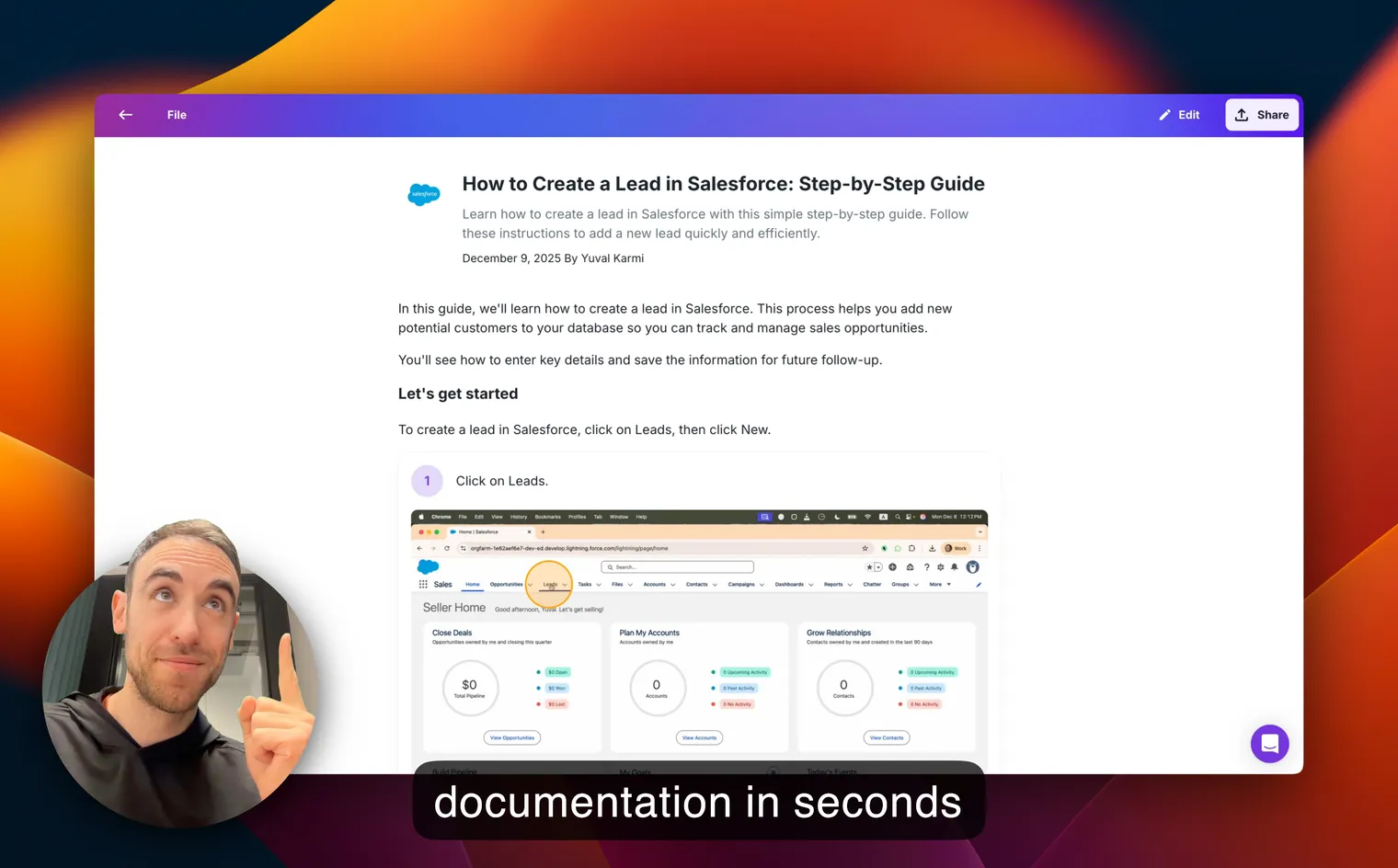
Teach your co-workers or customers how to get stuff done – in seconds.

Frequently Asked Questions
What is a blur tool used for?
A blur tool obscures parts of images or videos to hide sensitive information. Common uses include protecting personal data in screenshots, blurring faces for privacy, hiding passwords in documentation, and redacting confidential information before sharing content publicly or with team members.
What is the best free blur tool online?
Popular free blur tool online options include Canva, Fotor, Pixlr, and BeFunky. These browser-based tools let you upload images and apply blur effects without installing software. For screenshot-specific work, Snagit offers a free trial and ShareX is completely free.
How does a blur tool work?
Blur tools use algorithms like Gaussian blur to average the color values of neighboring pixels, creating a soft, out-of-focus effect. This makes text and details unreadable while preserving the general shape and context of the image. You select the area to blur and adjust the intensity as needed.
Can blurred images be unblurred?
Light blur can sometimes be partially reversed using deblurring software, though results tend to be imperfect. Heavy blur or pixelation is much harder to reverse. For maximum security, use solid redaction instead of blur, which completely covers content rather than just obscuring it.
What is the difference between blur and pixelation?
Blur creates a smooth, smeared appearance by averaging pixel colors together. Pixelation breaks the image into large, blocky squares. Both hide details effectively. Blur looks more natural and professional, while pixelation clearly signals intentional redaction.
How do I blur sensitive information in a photo?
Open the image in any blur tool or photo editor, select the blur or redaction feature, then draw or select the areas containing sensitive information. Adjust the blur intensity if needed, and save the edited image. Most tools make this a simple drag-and-select process.
What is an image blur tool?
An image blur tool is software or an online application that applies blur effects to photos and images. It can blur entire images for artistic effect or selectively blur specific areas to hide sensitive content like faces, text, or personal information.
Are online blur tools safe to use for sensitive documents?
Online blur tools require uploading your images to external servers, which may raise privacy concerns for highly sensitive content. For confidential documents, consider using offline tools or platforms with strong privacy policies. Always check the terms of service before uploading sensitive material.
What blur tool works with documentation software?
Glitter AI includes a built-in blur tool as part of its documentation workflow, including AI-powered automatic redaction on paid plans. Snagit is a strong option for one-off screenshots. This integration lets you capture, blur, and annotate content in one place without switching between multiple applications for privacy protection.
How do I choose the right blur intensity?
The right blur intensity depends on what you are hiding. Light blur works for general obscuration where context matters. Heavy blur or pixelation is better for text, numbers, or anything that must be completely unreadable. Test by zooming in to confirm the content cannot be deciphered.