
Read summarized version with
What is a Training Platform?
A training platform is a digital system built to create, deliver, manage, and track employee training programs. Think of it as the central hub where everything learning-related lives: onboarding courses, compliance modules, skills development, and progress tracking all in one place.
These platforms form the backbone of how modern companies handle learning and development. They let you deliver content in whatever format works best, whether that’s video, interactive modules, documents, or live webinars. A robust learning management system typically serves as the core of these platforms. On the admin side, you get tools to assign courses, track completion rates, and actually measure whether training is working. Around 40% of training platforms now use AI to personalize the learning experience, adjusting content to what each employee actually needs.
The business case is pretty clear. Companies that build strong learning cultures around these systems see up to 24% growth in profit margins. And 94% of employees say they’ll stick around longer when they feel their employer genuinely invests in their development through accessible training programs.
Key Characteristics of a Training Platform
- Content Management: Create, organize, and distribute training materials like courses, modules, learning paths, videos, and interactive simulations in whatever formats you need
- Progress Tracking: Keep tabs on who’s completed what, track assessment scores and certifications, and pull reports to see where people are in their learning journey
- Centralized Access: Give employees one place to find all their assigned training, past learning records, and opportunities to grow
- Assignment and Scheduling: Admins can assign training to specific people or groups, set due dates, and build automated workflows that trigger courses when needed
- Assessment and Certification: Run quizzes, knowledge checks, and formal certifications to confirm people actually learned what they needed to
Training Platform Examples
Example 1: New Hire Onboarding
Picture a healthcare organization running a 90-day onboarding program for new employees through their training platform. New hires log in and work through welcome videos, HIPAA compliance modules, and role-specific procedural training. They take knowledge checks before getting facility access. The platform tracks each milestone and pings managers automatically when someone finishes a required section.
Example 2: Continuous Skills Development
A manufacturing company uses their training platform to keep production staff sharp on technical skills. Workers access video-based work instructions, knock out short, focused learning modules when new equipment arrives, and earn certifications for advanced techniques. The analytics show where skill gaps exist across teams, making it easier to recommend training paths that actually help people advance.
Training Platform vs Learning Management System
People often use these terms interchangeably, but there are some real differences worth knowing.
| Aspect | Training Platform | Learning Management System |
|---|---|---|
| Scope | Broader term covering various training tools and capabilities | A specific type of software focused on managing and delivering courses |
| Features | Might include LMS features plus content authoring, social learning, and performance support tools | Mainly handles course delivery, assignments, and tracking |
| Focus | The overall training ecosystem and employee development strategy | Course administration and keeping learning records |
How Glitter AI Helps with Training Platforms
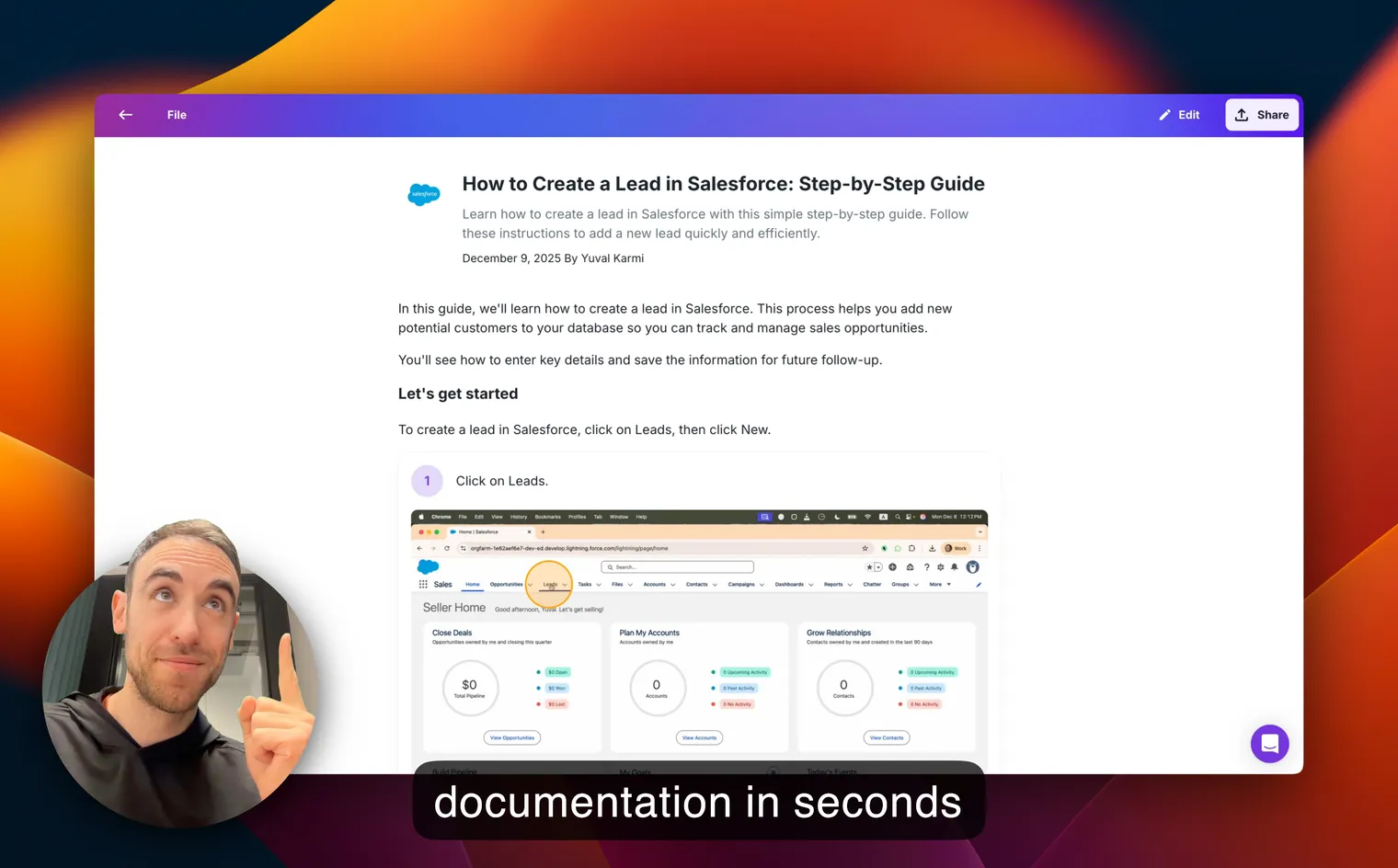
Glitter AI makes it easier to create visual training content for your training platform. Record a screen-based procedure, and Glitter automatically generates step-by-step guides with screenshots. Acting as employee training software, Glitter lets you produce professional training videos without needing video editing skills. All this content becomes part of your documented training records, keeping your platform stocked with current, visually clear materials.
The real win is time. What used to take hours now takes minutes, whether you’re standing up software training for the team or working from a reusable training guide template. Your team can capture institutional knowledge on the fly, document new processes as they roll out, and keep your training platform current with the latest procedures, the kind of upkeep that often comes up when teams compare platforms in our Whale vs Trainual breakdown. No more outdated guides sitting around because nobody has time to update them.
Teach your co-workers or customers how to get stuff done – in seconds.

Frequently Asked Questions
What is a training platform?
A training platform is a digital system where organizations create, deliver, manage, and track employee training. It puts all training activities in one place with tools for content delivery, progress tracking, and performance assessment.
What is an example of a training platform?
Common examples include systems for new hire onboarding that handle compliance training, role-specific modules, and milestone tracking. You also see platforms for ongoing skills development with video tutorials, certifications, and analytics that show where skill gaps exist.
Why is a training platform important?
Training platforms standardize how you develop employees, make training more accessible, and give you real data on whether learning is working. Companies with strong learning cultures around these platforms see up to 24% higher profit margins and much better employee retention.
How do I implement a training platform?
Start by figuring out what training you actually need and what you're trying to achieve. Pick a platform that handles the content formats and number of learners you'll have. Then fill it with relevant materials and set up clear processes for keeping content fresh, assigning courses, and tracking progress.