
Read summarized version with
What is Tribal Knowledge?
Tribal knowledge is the kind of unwritten, undocumented information that lives only in certain employees’ heads. It’s the shortcuts, workarounds, and “that’s just how we do things here” wisdom that people pick up over years on the job but never write down.
Unlike formal procedures or standard operating procedures, tribal knowledge gets passed along through watching, mentoring, hands-on training, and water cooler conversations. This knowledge can be a real competitive advantage for a company, but it’s also a risk. When the people who hold it leave, retire, or switch roles, that critical information often walks out the door with them. Suddenly there are gaps that slow things down, disrupt workflows, and hurt business continuity. Proper strategies for transferring knowledge can help organizations capture this tacit knowledge before it’s lost, and a deliberate knowledge management plan keeps it from slipping away again.
The term “tribal knowledge” comes from how traditional societies passed information down through storytelling and apprenticeship rather than writing things down. In today’s workplaces, it represents the gap between what the official manual says and what actually works in practice.
Key Characteristics of Tribal Knowledge
- Undocumented: It exists only in people’s minds, not in any manual, database, or knowledge management system.
- Experience-Based: People develop it through hands-on work, solving problems, and learning from mistakes rather than sitting through training sessions.
- Organizationally Specific: This knowledge is unique to your company, team, or department. It reflects specific contexts and relationships that probably don’t apply anywhere else.
- Vulnerable to Loss: When key people leave, retire, or just take a vacation, their tribal knowledge becomes unavailable, creating operational gaps.
- Informally Transferred: It spreads through mentoring, shadowing, casual chats, and watching experienced workers, not through structured documentation.
Tribal Knowledge Examples
Example 1: Manufacturing Operations
There’s a hydraulic assembly press in a factory that’s been overheating on and off for fifteen years. The veteran workers all know that when it happens, you shut it down for exactly 20 minutes and reset a specific valve in a particular order. Nobody ever bothered to document this because everyone who needed to know, knew. But when those workers retire? New employees are left scratching their heads over recurring downtime because the fix was never written down.
Example 2: Customer Service
A senior customer service rep has spent a decade building relationships with key accounts. She knows exactly which clients want phone calls instead of emails, who needs extra hand-holding during renewals, and which decision-makers actually sign off on purchases. All of that relationship knowledge and client preferences live only in her memory. When she’s out sick or leaves for a new job, teammates struggle to give those clients the same personalized service.
Tribal Knowledge vs Institutional Knowledge
People often use these terms like they mean the same thing, but there’s an important difference worth understanding.
| Aspect | Tribal Knowledge | Institutional Knowledge |
|---|---|---|
| Purpose | Undocumented expertise held by individuals | The complete body of organizational knowledge, both documented and undocumented |
| Scope | Subset of institutional knowledge | Includes all knowledge: policies, procedures, manuals, plus tribal knowledge |
| When to use | Describing at-risk, undocumented information | Referring to the total organizational wisdom and memory |
Institutional knowledge covers everything an organization knows, including both formal documentation and tribal knowledge. Good knowledge management means turning tribal knowledge into explicit institutional knowledge by getting it documented, which is why many teams weigh dedicated documentation tools for the job.
How Glitter AI Helps with Tribal Knowledge
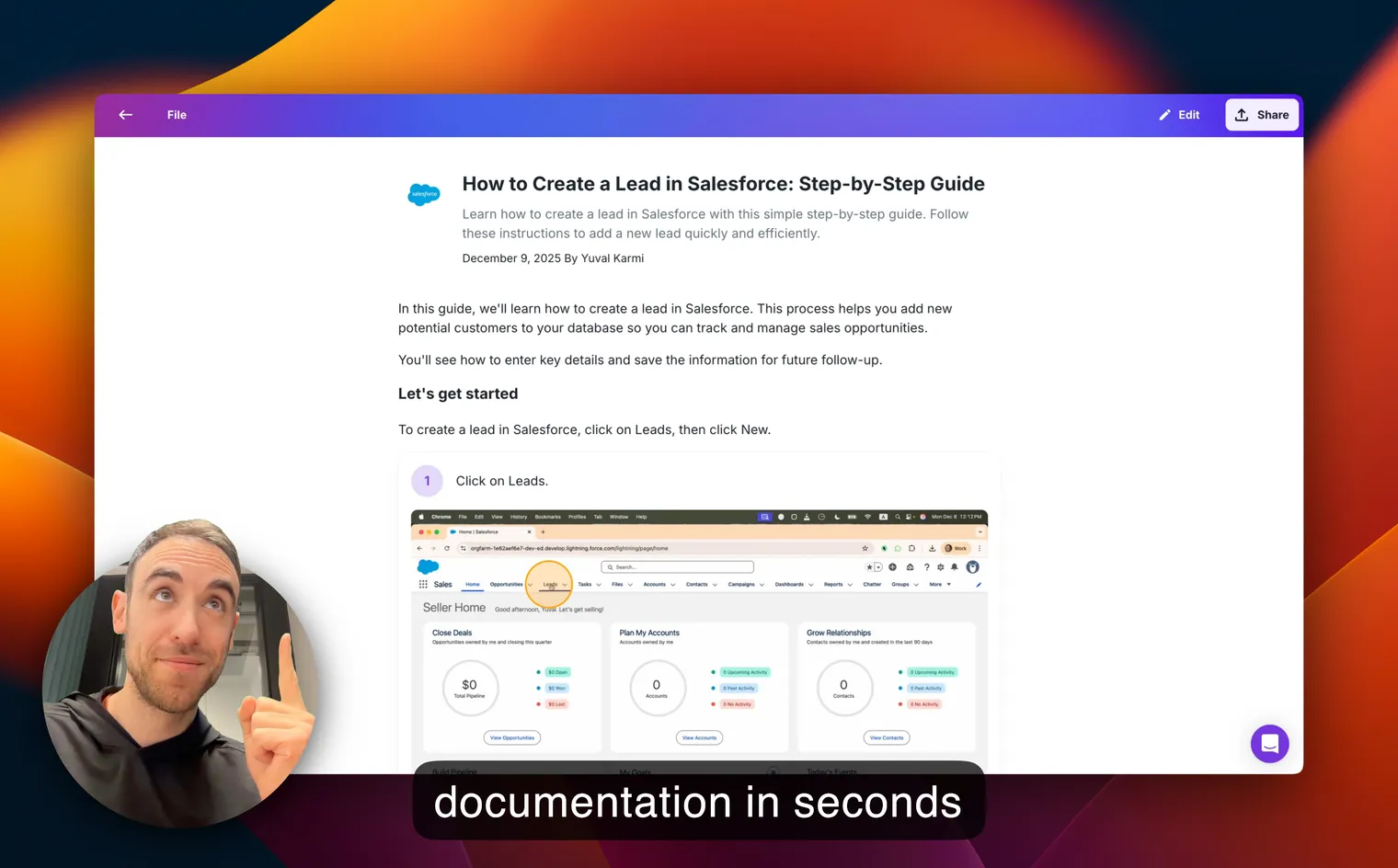
Glitter AI helps organizations capture tribal knowledge before it walks out the door by making documentation practically effortless. Instead of asking busy subject matter experts to write detailed manuals (which, let’s be honest, rarely happens), Glitter lets them simply demonstrate processes while the software automatically creates step-by-step documentation with screenshots and annotations. What used to take hours now takes minutes.
By removing the friction from documentation, Glitter makes it possible to systematically capture what experienced employees know as part of a broader knowledge management strategy. The result is a searchable corporate wiki that closes the knowledge gaps and information silos that form when undocumented expertise and hard-won lessons learned stay locked in a few people’s heads, ensuring critical processes survive employee turnover even on fast-moving teams. The platform turns tribal knowledge into institutional assets that anyone can find, update, and share.
Teach your co-workers or customers how to get stuff done – in seconds.

Frequently Asked Questions
What does tribal knowledge mean?
Tribal knowledge is unwritten, undocumented information or expertise that exists only in the minds of certain employees and has not been formally recorded. It includes shortcuts, workarounds, and best practices learned through experience.
What is an example of tribal knowledge?
An example is a senior employee who knows specific workarounds for equipment issues or client preferences that were never documented. When that employee leaves, this knowledge is lost because it was never written down or shared.
Why is tribal knowledge a problem?
Tribal knowledge poses organizational risk because it disappears when employees leave, retire, or are unavailable. This creates knowledge gaps, workflow disruptions, inconsistent processes, and makes onboarding new employees difficult and time-consuming.
How do you capture tribal knowledge?
Capture tribal knowledge by documenting processes through videos, creating standard operating procedures, conducting knowledge transfer sessions with experienced employees, building mentorship programs, and using tools that make documentation quick and easy.