
Read summarized version with
What is a Checklist?
A checklist is a structured list of tasks, items, or criteria that need to be completed, verified, or reviewed. The goal? Consistent and accurate execution of a process or procedure. Checklists work as surprisingly effective tools for cutting down on errors, keeping quality standards in check, and making sure nothing slips through the cracks during both routine and complex operations.
What sets checklists apart from comprehensive process documentation is their condensed, actionable format. They guide users through specific steps without burying them in explanatory text, functioning as an effective job aid. This makes them perfect for quick reference while actually doing the work, whether that’s a routine activity or a critical operation where mistakes carry real consequences.
You’ll find checklists everywhere across industries. Pilots run through pre-flight checks, surgeons follow safety protocols, manufacturers verify quality control, and developers tick through software deployment procedures. What makes them work so well is their simplicity. They standardize work while still leaving room for the expertise of whoever is using them.
Key Characteristics of Checklist
- Sequential or Non-Sequential: Some follow a specific order when steps depend on each other, while others allow flexible completion when order doesn’t really matter
- Binary Verification: Each item usually calls for a straightforward yes/no, complete/incomplete, or pass/fail response
- Concise Format: Brief, action-oriented language takes priority over detailed explanations
- Standalone or Embedded: They can exist as independent documents or live within larger procedures and work instructions
- Error Prevention: By externalizing memory requirements, they reduce cognitive load, which becomes especially valuable during high-stress moments or repetitive routines
Checklist Examples
Example 1: Customer Onboarding Checklist
A SaaS company relies on an onboarding checklist for new client implementations. It covers the essentials: verify account setup, configure user permissions, complete data migration, schedule the kickoff call, deliver training materials, and confirm the go-live date. Each item has a checkbox and an assigned owner, which helps maintain consistent implementation quality across every customer.
Example 2: Quality Inspection Checklist
A manufacturing facility runs daily equipment inspections on production line machinery. The checklist walks technicians through checking safety guards, verifying calibration status, listening for unusual noise or vibration, confirming lubrication levels, and reviewing maintenance logs, much like a dedicated machine maintenance checklist would. This process catches potential equipment failures early and keeps the facility in compliance with safety regulations.
Checklist vs Quick Reference Guide
Both tools support task execution, but checklists and quick reference guides actually serve pretty different purposes when it comes to documentation.
| Aspect | Checklist | Quick Reference Guide |
|---|---|---|
| Purpose | Ensure task completion and verification | Provide rapid access to key information or instructions |
| Scope | Focused on specific tasks in a single process | Covers multiple scenarios or frequently needed information |
| When to use | During process execution to track progress | When users need to look up specific details or steps |
How Glitter AI Helps with Checklist
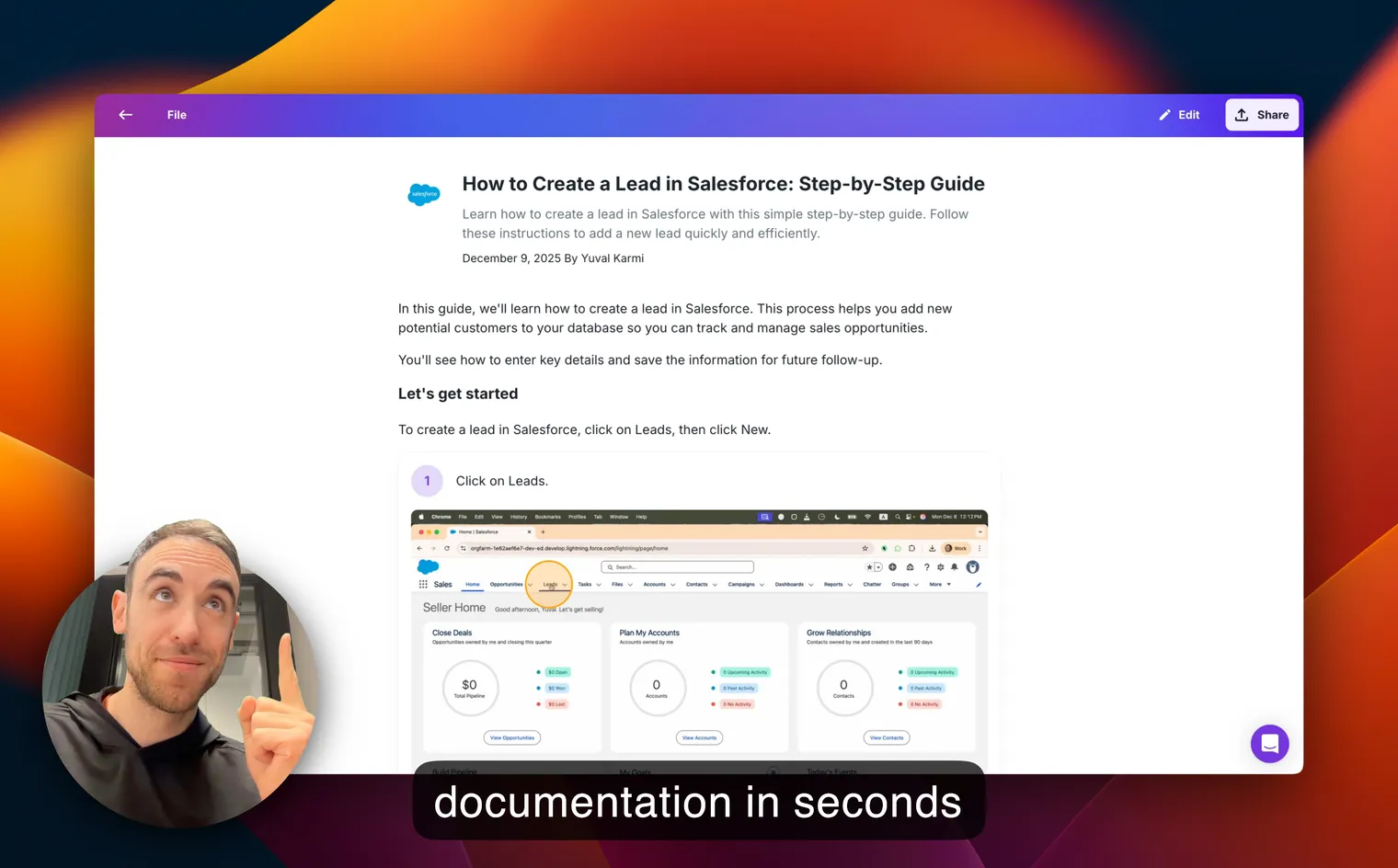
Glitter AI makes checklist creation faster by capturing visual, step-by-step workflows that can be turned into structured checklists. Record the actual process execution, and Glitter automatically generates task lists with screenshots and context. You can even create reusable templates for common checklist types, like a new hire onboarding checklist for people ops. The same approach works for a recurring maintenance checklist template on the operations side. No more manual documentation headaches. Teams can quickly convert recorded workflows into checklists that people will actually want to follow and keep updated.
Because of Glitter’s visual documentation capabilities, checklists become living documents that grow with your processes. When procedures change, teams simply re-record the workflow and regenerate the checklist. Documentation stays current without the usual rewriting and reformatting effort.
Teach your co-workers or customers how to get stuff done – in seconds.

Frequently Asked Questions
What does checklist mean?
A checklist is a structured list of tasks, items, or criteria that need to be completed or verified. It helps ensure consistent execution of a process while reducing errors and maintaining quality.
What is an example of checklist?
A pre-flight checklist used by pilots is a classic example. It lists critical safety items to verify before takeoff, including fuel levels, control surfaces, instruments, and communication systems.
Why is checklist important?
Checklists reduce human error by making sure critical steps don't get forgotten. They standardize processes across teams and create accountability through documented verification of task completion.
How do I create an effective checklist?
Start by identifying all the necessary tasks. Order them logically if sequence matters, use clear action verbs, keep items concise, test the checklist under real conditions, and refine it based on user feedback.