
Read summarized version with
What is Comments and Feedback?
Comments and feedback are collaborative features baked into documentation tools that let team members drop notes, suggestions, and responses right inside shared documents. Instead of firing off separate emails or Slack messages about a doc, reviewers can put their thoughts exactly where they apply. This tends to make the review process clearer and, honestly, a lot faster.
You will typically see these features in two flavors. Page-level comments address the document as a whole and work well for big-picture discussions about direction or purpose. Inline comments attach to specific words, sentences, or sections, which makes them better suited for detailed feedback on particular content. Most tools also support threaded replies, so back-and-forth conversations can happen right next to the content being discussed.
The real payoff becomes obvious when you look at how teams actually communicate during document creation. Feedback scattered across email, chat, and meetings usually leads to lost context and missed revisions. Keeping all comments anchored to the content creates a clear record of what was suggested, who chimed in, and how the document changed over time. This matters most when multiple people need to weigh in as part of a structured review-and-sign-off process before something gets approved or published.
Key Characteristics of Comments and Feedback
- Contextual Placement: Comments attach directly to specific content, so there is no guessing about which section or passage the feedback is referencing.
- Threaded Discussions: Team members can reply to comments, building organized conversations that keep the full context intact.
- Notification System: Contributors get alerts when someone comments on their work or responds to their feedback, which helps keep the review process from stalling.
- Resolution Tracking: Comments can be marked as resolved once they have been addressed. This gives everyone visibility into what still needs attention and what is already handled.
- Attribution and History: Every comment shows who wrote it and when, which creates accountability and a documented trail of the review process.
Comments and Feedback Examples
Example 1: SOP Review Process
A quality manager drafts a new standard operating procedure for equipment calibration. Before publishing, she shares it with the technical team for their input. One engineer drops an inline comment on a specific step, pointing out that the torque specification looks wrong. Another adds a page-level comment suggesting an additional safety warning would be helpful. The manager works through each comment, updating the content and marking issues as resolved along the way. The comment history now shows that proper document control processes were followed, which comes in handy during compliance audits.
Example 2: Training Material Development
A training coordinator puts together onboarding documentation for new hires. She uses the feedback feature to tag subject matter experts on sections relevant to what they know. The IT specialist comments on the software setup instructions, suggesting clearer screenshots would help. HR flags some policy language that needs updating. Rather than waiting for a scheduled review meeting, the coordinator addresses comments as they roll in, and the document gets better piece by piece.
Comments and Feedback vs Email Review
Email is still common for document review, but it creates problems that commenting features handle better.
| Aspect | Comments and Feedback | Email Review |
|---|---|---|
| Context | Attached directly to relevant content | Requires quoting or describing the location |
| Organization | Threaded and grouped by topic | Scattered across separate email chains |
| Visibility | All reviewers see all feedback | Feedback may stay in private inboxes |
| Resolution Tracking | Built-in status for each comment | Manual tracking of what was addressed |
With email, reviewers often have to describe where their feedback applies, and then recipients hunt through the document trying to find the right spot. Comments get rid of this friction by putting feedback exactly where it belongs.
How Glitter AI Helps with Comments and Feedback
Glitter AI builds collecting and incorporating feedback right into the documentation workflow. When teams create visual documentation with Glitter, they can share it through shared libraries and team roles with reviewers who add comments directly to specific steps or screenshots. This visual context, much like an annotation tool, means reviewers can point to exactly what needs changing without writing paragraph-long explanations.
The platform keeps track of all comments and their resolution status, so documentation owners can see what still needs work. When feedback calls for updates, teams can re-record affected sections and the documentation stays fresh. Combined with version control, this approach turns feedback from a one-time review event into an ongoing improvement cycle, helping documentation grow with the organization’s needs.
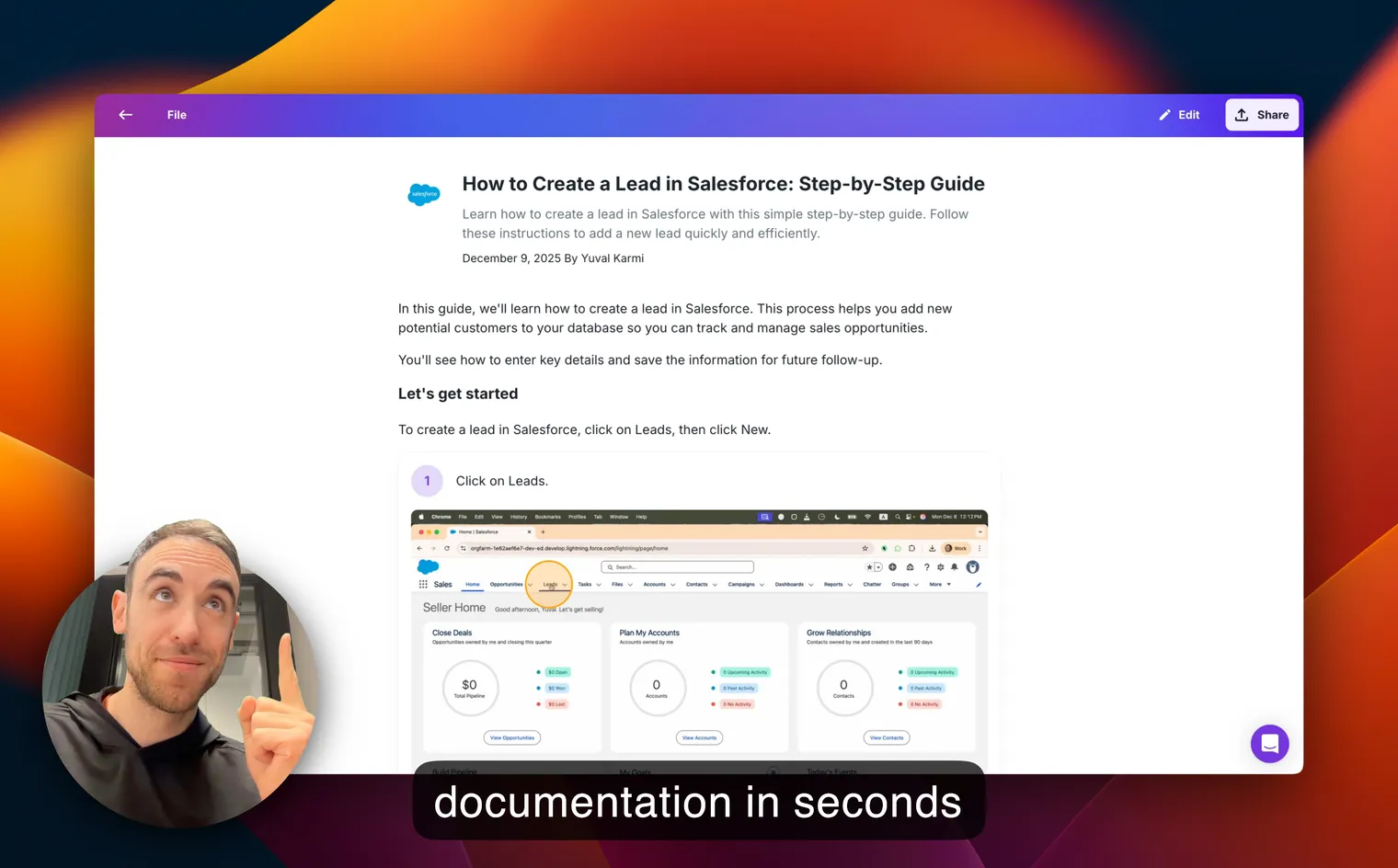
Teach your co-workers or customers how to get stuff done – in seconds.

Frequently Asked Questions
What are comments and feedback in document collaboration?
Comments and feedback are features that let team members leave notes, suggestions, and responses directly within documents. They cut out the need for separate communication channels during document review.
What is the difference between inline comments and page comments?
Inline comments attach to specific text or elements within a document for targeted feedback. Page comments apply to the document as a whole and tend to work better for general discussions about direction or purpose.
Why is centralized feedback important for documentation?
Centralized feedback keeps all discussions tied to the content they reference. This stops feedback from getting lost across email, chat, and meetings while building a clear record of how the document evolved.
How do threaded comments improve the review process?
Threaded comments let reviewers reply directly to existing comments, keeping related discussions grouped together. This preserves context and makes it easier to follow conversations about specific feedback.
What does resolving a comment mean?
Resolving a comment marks it as addressed, signaling the feedback has been incorporated or the issue handled. This helps teams see what still needs attention during the review process.
How can comments and feedback support compliance requirements?
Comments create a documented record of who reviewed content, what feedback they gave, and how it was addressed. This audit trail shows proper review processes took place during compliance audits.
What are best practices for giving feedback in documents?
Be specific and constructive in your comments. Reference exact content when you can, explain the reasoning behind suggestions, and focus on improvements rather than criticism. Use inline comments for specific issues and page comments for broader topics.
How do notifications work with document comments?
Most collaboration tools send alerts when someone comments on your work or responds to your feedback. These notifications keep the review moving by prompting action when input is needed.
Can comments replace formal document review meetings?
Comments can reduce the need for review meetings by enabling asynchronous feedback. Reviewers contribute on their own schedule, and document owners address feedback as it comes in. Complex topics may still call for discussion, but routine reviews often work fine through comments alone.
How do comments integrate with approval workflows?
Comments often function as a review mechanism within approval workflows. Reviewers use comments to provide feedback before approving, and unresolved comments may block approval until issues get addressed.