Read summarized version with
What is Screenshot Markup?
Screenshot markup means adding visual elements directly onto captured screen images. Think arrows, circles, text boxes, rectangles, blur effects, and highlights that draw attention to specific parts of the image. The idea is straightforward: take a plain screenshot and transform it into something that actually shows people what they need to see or do.
On their own, raw screenshots tend to raise more questions than they answer. Someone staring at a screenshot of an unfamiliar interface probably has no clue where to look. Add markup to screenshots though, maybe a red arrow pointing at the correct button, numbered markers showing step order, some text explaining key elements, and suddenly the image becomes genuinely helpful. Tools like a screenshot editor make this process straightforward.
Screenshot markup appears constantly in day-to-day work communication. Technical writers rely on it for help documentation. Support teams drop marked-up screenshots into ticket responses. Trainers weave it into onboarding materials. Anyone who has tried explaining something visual over email or Slack gets why: one marked-up screenshot can replace several paragraphs of written instructions.
Key Characteristics of Screenshot Markup
- Visual Pointers: Arrows, lines, and circles that guide attention to specific screen areas
- Text Callouts: Labels, notes, and explanatory text providing context the image cannot convey alone
- Shape Overlays: Rectangles, ovals, and freeform shapes that highlight or frame important interface elements
- Redaction Features: Blur effects and solid boxes hiding sensitive information like passwords or personal data
- Sequential Numbering: Numbered markers walking viewers through multi-step processes in order
Screenshot Markup Examples
Example 1: IT Support Ticket
A help desk technician needs to guide a remote employee through changing network settings. Rather than typing out a long explanation, they grab a screenshot of the settings panel and add markup: a circled menu item, an arrow pointing to the right toggle, and text explaining what the setting controls. The employee follows along without getting lost.
Example 2: Product Documentation
A software company puts together a user guide for their dashboard. Each screenshot in the guide includes numbered markup (1, 2, 3, 4) showing exactly where to click and in what order. Short labels explain what happens after each action. Users can scan the images and grasp the workflow quickly.
Example 3: Bug Reports
A developer catches an issue in the staging environment. They capture the screen showing the broken layout, draw a red rectangle around the problem area, and add an arrow pointing to what should appear there instead. The bug report explains itself, cutting back-and-forth messages significantly.
Screenshot Markup vs Screenshot Annotation
These two terms mean the same thing. Screenshot markup and screenshot annotation both describe adding visual elements to screen captures to make them clearer and more informative. Different tools and platforms just happen to use different wording.
| Aspect | Screenshot Markup | Screenshot Annotation |
|---|---|---|
| Definition | Adding visual elements to screenshots | Adding visual elements to screenshots |
| Common Elements | Arrows, shapes, text, highlights | Arrows, shapes, text, highlights |
| Use Cases | Documentation, support, training | Documentation, support, training |
| Tools | Snagit, Markup Hero, Glitter AI | Snagit, Markup Hero, Glitter AI |
Which term you encounter usually depends on what tool or platform you’re using. Apple’s built-in feature calls it “Markup,” while many other tools prefer “Annotation.” Functionally, they work the same way.
How Glitter AI Helps with Screenshot Markup
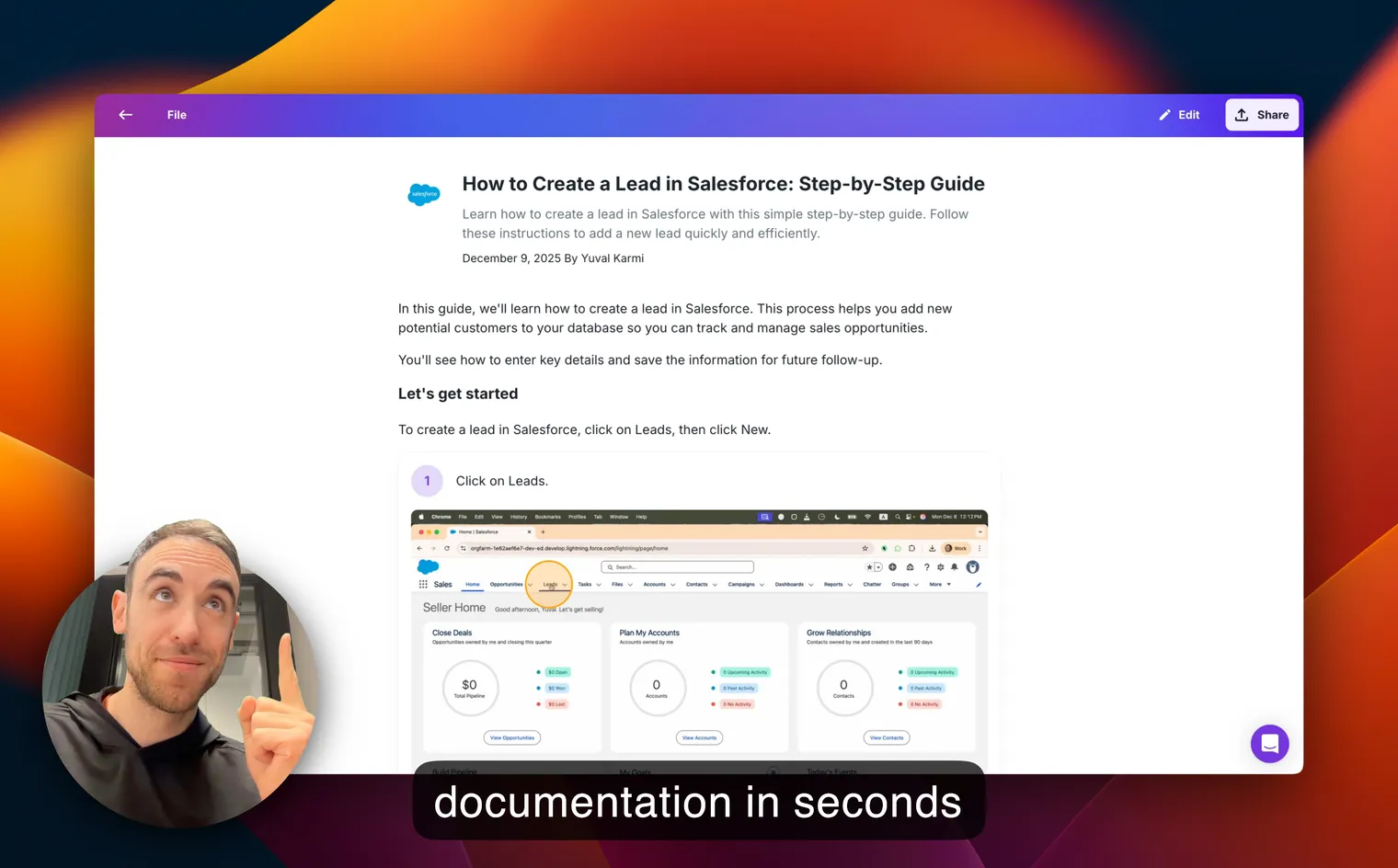
Glitter AI automates the screenshot markup work that people normally do by hand, which is the core difference teams notice when they look at Snagit versus Glitter AI. When you capture a workflow using Glitter, the platform spots key actions and generates marked-up screenshots automatically, complete with numbered steps, highlighted elements, and descriptive labels. You skip the manual process of adding arrows and callouts yourself.
This speeds up how quickly teams can produce visual work instructions, without the manual annotation work that tools like Snagit require. Instead of spending time on tedious manual image markup, you capture what you’re doing with the free Chrome extension or the desktop app for Mac and Windows and let Glitter handle the visual layer. The output stays consistent across all your documentation and travels well too, since you can export it to Markdown for any wiki or knowledge base, and the whole thing takes a fraction of the time traditional approaches require.
Teach your co-workers or customers how to get stuff done – in seconds.

Frequently Asked Questions
What is screenshot markup?
Screenshot markup is adding visual elements like arrows, text boxes, shapes, and highlights to captured screen images. These additions make screenshots clearer by directing attention to specific areas and providing context the raw image cannot convey on its own.
What's the best screenshot markup tool?
Popular screenshot markup tools include Snagit, Markup Hero, Lightshot, and built-in options like macOS Markup and Windows Snipping Tool. For automated markup during documentation creation, Glitter AI adds annotations as part of the capture process without manual effort.
How do I add markup to a screenshot?
Capture your screen using a screenshot tool, then open the image in a markup or annotation application. Add arrows, circles, and rectangles to highlight areas. Use text boxes for explanations. Apply blur effects over sensitive content. Save in PNG format for best quality.
Is screenshot markup the same as screenshot annotation?
Yes, screenshot markup and screenshot annotation mean the same thing. Both terms describe adding visual elements like arrows, text, shapes, and highlights to screen captures. Different tools and platforms simply use different terminology for identical functionality.
Why should I markup screenshots for documentation?
Marked-up screenshots eliminate confusion by showing exactly what users need to focus on. They make documentation far clearer than text descriptions alone, reduce follow-up questions, and help people complete tasks faster by removing guesswork about which elements to interact with.
Can I markup screenshots on my phone?
Yes, both iOS and Android include built-in screenshot markup tools. After taking a screenshot, you can immediately add drawings, text, arrows, and highlights using native markup or annotation features. Third-party apps offer additional markup options if needed.
How do I blur sensitive information in screenshot markup?
Most screenshot markup tools include blur, pixelate, or solid color fill options for hiding sensitive data. Select the redaction tool, draw over passwords, personal information, or confidential content, and verify sensitive areas are fully covered before sharing the marked-up image.
What markup elements should I use for step-by-step guides?
For step-by-step guides, use numbered markers to show action sequence, arrows to indicate click locations, rectangles or circles to highlight interface elements, and brief text callouts to explain each step. Keep markup clean and avoid cluttering the image.
What file format should I save marked-up screenshots in?
PNG is the recommended format because it maintains image quality and supports transparency. JPEG works for simpler images but may blur text and fine details in your markup. For web documentation, PNG or WebP offer good quality-to-file-size ratios.
How can teams keep screenshot markup consistent?
Create a style guide specifying colors, arrow styles, font choices, and placement conventions for markup elements. Use templates in your screenshot tool when available. Tools like Glitter AI automatically apply consistent markup styling across all captured screenshots.