
Read summarized version with
If you manage a warehouse team running OrderWise, you already know the gap between “the software can do it” and “my team actually knows how to do it.” Figuring out OrderWise training is one of those things that never feels urgent – not until your best warehouse person hands in their notice and suddenly nobody knows how to run a stock take or process a return in your OrderWise ERP.
I’m Yuval, founder of Glitter AI. Through building a tool that helps teams create training guides from screen recordings, I’ve talked to dozens of OrderWise teams who all describe the same problem. Not because the people are bad at their jobs, but because ERP systems like OrderWise are dense. Hundreds of screens. Dozens of workflows. A thousand little decisions that experienced operators make on autopilot. And none of it is written down.
That’s what this post is really about. Not a generic “how to use OrderWise” tutorial. You can find those. This is about building a training system that survives turnover, scales with your team, and actually gets used.
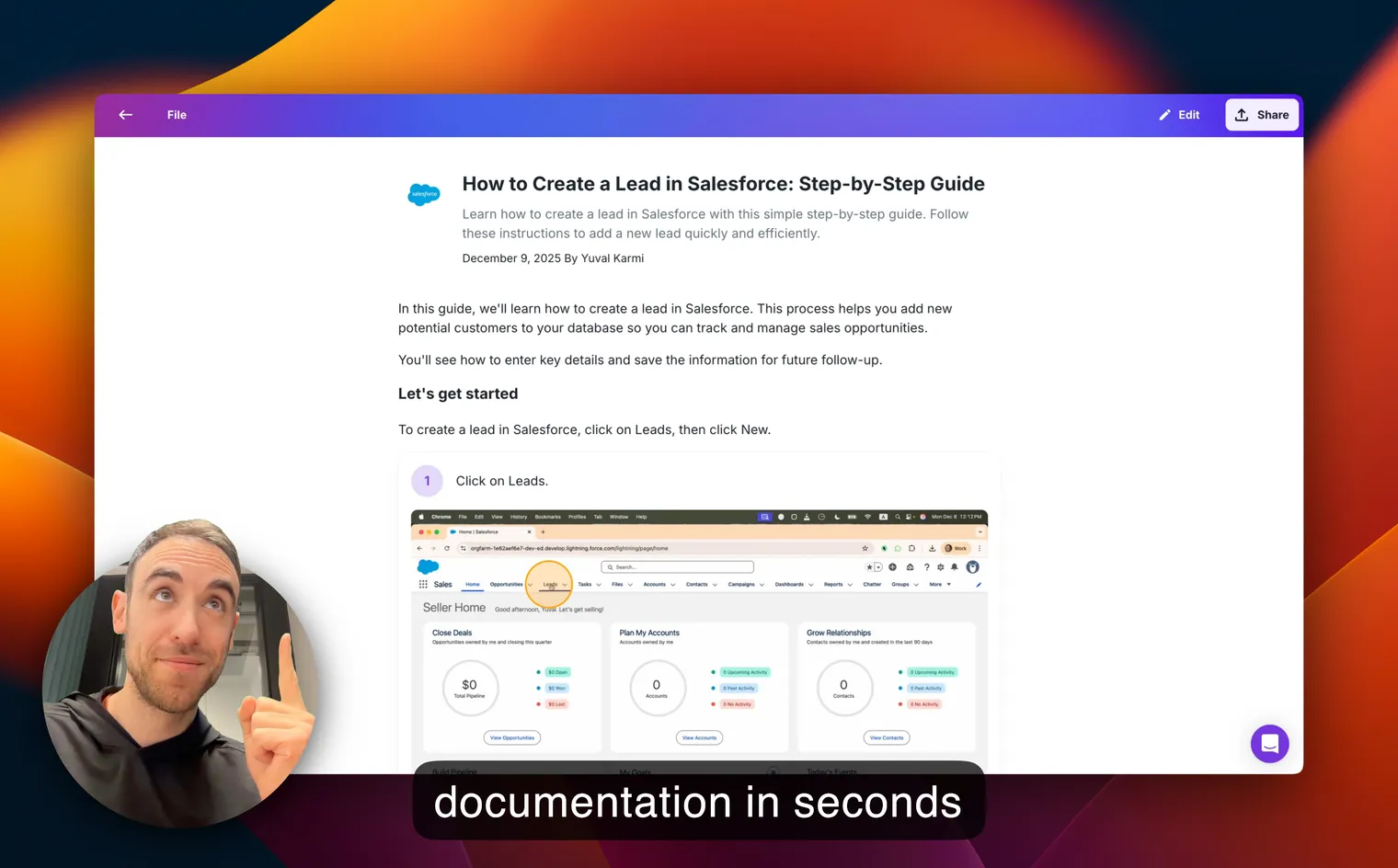
Teach your co-workers or customers how to get stuff done – in seconds.

Why OrderWise Knowledge Is So Fragile in Warehouses
Warehouse operations have some of the highest turnover rates in any industry. The work is physical, the pace is relentless, and the people doing it tend to be the first to leave when something better comes along. That’s not a judgment. It’s just how it is.
The problem is what walks out the door with them.
Your senior warehouse operator doesn’t just know how to click buttons in OrderWise ERP. They know that Supplier X always ships light, so you verify counts twice during goods receiving. They know Bin 4C is prone to misplacement errors because the labels are faded. They know the stock report needs to be run before 9am or the overnight sync data won’t show up.
This is undocumented know-how at its most dangerous. Operational intelligence that lives entirely in people’s heads. Every time someone leaves, you lose a piece of it.
The Real Cost of “Just Ask Dave”
Every warehouse has a Dave. The person everyone goes to with questions. “How do I adjust this inventory discrepancy?” Ask Dave. “What’s the process for a partial goods receipt?” Ask Dave. “Why is this purchase order showing the wrong status?” Dave knows.
Dave is a single point of failure.
When Dave is on holiday, things slow down. When Dave leaves, things break. And nobody realizes how much Dave was holding together until he’s gone. The hidden cost of undocumented processes in a warehouse isn’t some abstract concept. It shows up as missed shipments, inventory errors, and customers who don’t get their orders on time.
Why Traditional OrderWise Training Fails for Warehouse Teams
Teams have tried pretty much every approach to documenting warehouse processes. Most of them fall apart for reasons that are specific to how warehouse software actually gets used day to day.
Written SOPs Miss the Visual Context
OrderWise ERP is a complex, screen-heavy application. A written procedure that says “Navigate to Stock Control, select the relevant warehouse location, and initiate a new stock take” assumes the reader already knows where Stock Control lives in the menu, which warehouse location codes mean what, and what “initiate” actually looks like on screen.
For an experienced user, that sentence is fine. For someone on their second day? It might as well be in another language. Warehouse ERP interfaces are dense. Grids, dropdowns, status indicators, and action buttons all competing for attention on every screen. Text instructions alone just can’t bridge that gap.
One-on-One Training Doesn’t Scale
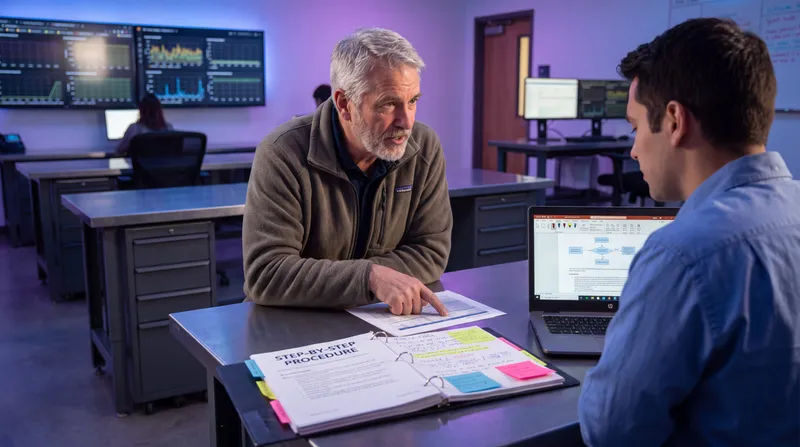
The most common training method I see in warehouses is shadowing. New person follows experienced person around for a week. It works, sort of. The new person picks up the physical layout and some OrderWise basics. But they can’t possibly absorb every workflow in five days.
Meanwhile, the experienced person just lost a week of productivity. In a busy warehouse, that’s a real cost. Multiply it by every new hire and every role change, and you’re spending serious money on training that’s inconsistent, unrepeatable, and completely undocumented.
Screenshots Go Stale Fast
OrderWise, like any actively developed ERP, updates its interface regularly. Screenshots you took six months ago may not match what a new hire sees today. And once a trainee spots one outdated screenshot, they lose trust in the entire document. “If this is wrong, what else is wrong?”
Record once, train every new hire
A Better Approach to OrderWise Training: Record It, Get a Guide
Here’s what actually works. Instead of choosing between video, screenshots, or written steps, use all three. Generated from a single recording.
With Glitter, you open OrderWise, hit record, and walk through a workflow while talking through what you’re doing. The same way you’d explain it to someone sitting next to you. When you stop recording, Glitter generates a complete training guide: the video, annotated screenshots of each key step, and written instructions. All from that one take.
No formatting. No screenshot tools. No document editors. You just do the work while explaining it, and the guide builds itself.
Having built Glitter, I’ve watched our best teams document 5+ different operational workflows. The ones who stick around aren’t creating one guide. They’re building an entire knowledge base. That’s the real shift. It’s not about making a training video. It’s about capturing how your warehouse actually operates, one workflow at a time, the same playbook teams use for Kloudville order management or NuOrder wholesale workflows.
This approach works especially well for OrderWise ERP because warehouse management training workflows are inherently sequential and visual. You need to see the goods receiving screen to understand the flow. You need to watch someone navigate from a purchase order to a stock adjustment to grasp how the pieces fit together.
The OrderWise Workflows You Should Document First
Don’t try to boil the ocean. Start with the workflows that hurt most when someone doesn’t know them. Here’s the inventory management training priority list I’d recommend for any warehouse team running OrderWise.
1. Processing Sales Orders
This is the heartbeat of your operation. In OrderWise, sales order processing means pulling up customer orders, checking stock availability, allocating inventory, and pushing orders through to the pick-pack-ship pipeline. Every step has decision points that experienced operators handle instinctively.
Record your best person processing a typical sales order from start to finish. Have them narrate their thinking: “I always check the credit hold status here” or “This customer has a special delivery instruction, so I flag it before it hits the warehouse floor.” Those verbal cues capture the judgment that never makes it into written procedures.
2. Managing Purchase Orders
Purchase orders in OrderWise cover everything from raising a PO with a supplier to tracking delivery dates, handling partial shipments, and reconciling what was ordered versus what arrived. Landed cost calculations, currency handling for overseas suppliers, and lead time management all add layers of complexity.
This is a workflow where small mistakes compound quickly. A miscoded purchase order throws off your inventory counts, which throws off your stock reports, which throws off your reordering. Document the complete flow, including what to do when things don’t go as planned.
3. Goods Receiving
When stock arrives at your warehouse, the goods receiving process in OrderWise needs to happen quickly and accurately. You’re matching deliveries against purchase orders, checking quantities, flagging discrepancies, and booking stock into the right warehouse locations.
This workflow is a great fit for visual work instructions. The receiving screen in OrderWise has multiple panels showing PO details, expected quantities, and actual received counts. A new hire needs to see exactly where to enter data, how to handle overages and shortages, and when to escalate a discrepancy.
4. Pick, Pack, and Ship
The pick-pack-ship cycle is where OrderWise’s warehouse management features really come into play. Automated pick assignments, barcode scanning, packing verification, and dispatch label generation all need to flow without hiccups. When they don’t, orders ship late or ship wrong.
Record each stage separately. A picking guide. A packing guide. A dispatch guide. Different people at different stations use them, so keeping them modular makes more sense than one giant walkthrough.
5. Stock Takes and Inventory Counts
Inventory management training often starts here. Whether you run full stock takes or cycle counts, the process in OrderWise involves generating count sheets, recording physical counts, reviewing variances, and posting adjustments. It’s infrequent enough that people forget the steps between counts, but important enough that errors cause real problems.
This is exactly the kind of workflow that benefits from step-by-step guides your team can reference, the kind you pull up once a quarter when it’s time to count.
6. Inventory Adjustments
Stock doesn’t always match. Damaged goods, miscounts, returns that didn’t get processed. There are a dozen reasons you might need to adjust inventory in OrderWise. The adjustment process needs to be done correctly because every change hits your stock valuation and reporting.
Document the different types of adjustments: damage write-offs, location transfers, quantity corrections, and batch/serial number updates. Each has a slightly different flow in OrderWise.
Start documenting warehouse workflows today
7. Returns Processing
Returns are messy. In OrderWise, processing a return means creating a return authorization, receiving the goods back, inspecting them, deciding whether to restock or write off, and issuing credit. Each step has decision points, and doing them out of order creates inventory and accounting headaches.
What matters here are the edge cases, not the happy path. Record guides for the common return scenarios your team handles: customer returns, damaged goods, wrong items shipped, and supplier returns.
8. Warehouse Bin Management
OrderWise lets you manage stock at the bin level, meaning you can track exactly where every item sits in your warehouse. But bin management only works if your team consistently uses it. Moving stock between bins, updating locations during putaway, maintaining the bin structure as your warehouse evolves.
Record how your team handles the day-to-day bin operations: receiving into a bin, picking from a bin, transferring between bins, and what to do when the system says something is in Bin 3A but it’s physically sitting in Bin 5C.
9. Running Stock Reports
OrderWise’s reporting is powerful but underused. Most teams run the same two or three reports and ignore the rest because nobody showed them what’s available. Stock valuation reports, movement analysis, aging reports, reorder suggestions. These are tools that help you make better decisions, but only if your team knows how to run and interpret them.
Record your most analytical team member walking through the reports they pull regularly. Explain not just how to run the report, but what the numbers mean and what actions to take based on what you see.
How to Structure Your OrderWise ERP Training Program
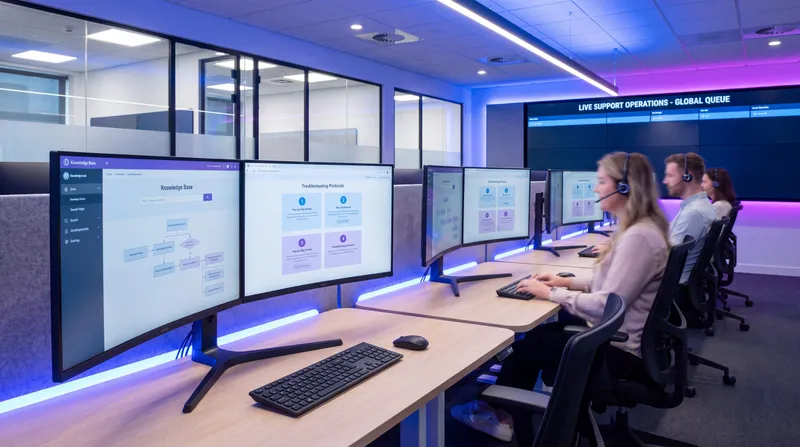
Creating guides is step one. Organizing them so people actually use them is step two.
Organize by Role
Your warehouse has different roles with different OrderWise ERP needs. A goods-in operative needs different training than a pick-pack operator, who needs different training than an inventory controller. Group your guides by role so new hires see only what’s relevant to their job on day one.
A typical structure might look like:
- Goods-In Team: Purchase orders, goods receiving, quality checks, putaway
- Pick-Pack Team: Pick assignments, barcode scanning, packing procedures, dispatch
- Inventory Control: Stock takes, adjustments, bin management, reporting
- Order Processing: Sales orders, returns, credit notes, customer queries
This follows operations documentation best practices and keeps training focused instead of overwhelming.
Layer the Complexity
Start every workflow with the standard happy path. Then create additional guides for exceptions and edge cases. A new picker doesn’t need to know how to handle a partial allocation on day one. But they will need that guide by week three.
Make Updates Easy
Here’s the real advantage of the record-and-generate approach. When OrderWise updates its interface or your process changes, you just re-record the affected workflow. Five minutes. New video, new screenshots, new written steps. Compare that to manually updating a 20-page document with 40 screenshots.
The teams that succeed long-term are the ones that train employees faster with documentation because updating is easy enough that people actually bother doing it.
Why Video + Screenshots + Written Steps Work Better for OrderWise Training
I want to make a specific case for multiformat warehouse management training, because it matters more here than in most settings.
Warehouse teams are diverse. You’ve got people who learn by watching, people who learn by reading, and people who need to do it with a reference open next to them. Some of your team members have English as a second language and benefit from seeing the screen while hearing the explanation. Others are experienced with ERP systems and just need a quick reference for the OrderWise-specific steps.
When you record an OrderWise walkthrough with Glitter, you get:
- The video captures the complete flow, mouse movements, and your verbal explanations of why each step matters
- The annotated screenshots show exactly which buttons to click, which fields to fill, and what the screen should look like at each stage
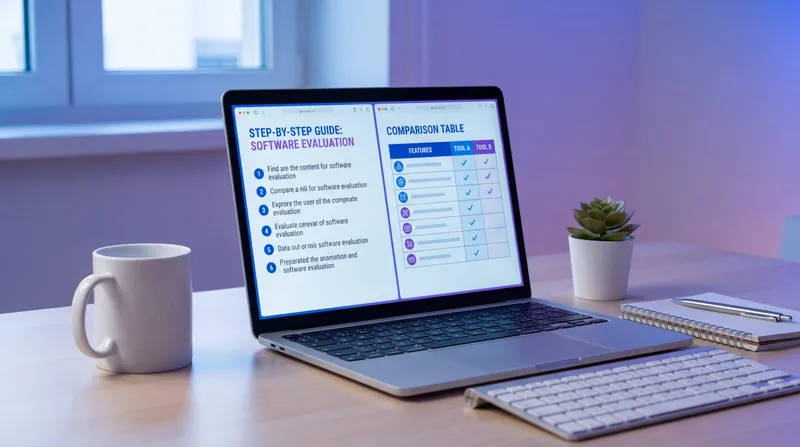
- The written steps give a scannable checklist that operators can follow alongside OrderWise in real time
One recording. Three formats. Every learning style covered.
On a practical level, the video is great for first-time learning. The screenshots are great for “I’ve done this before but I’m blanking on which menu it’s under.” The written steps are great for the daily reference that lives at the workstation.
Getting Started This Week
You don’t need a big project plan. Here’s how I’d start:
Today: Identify your “Dave.” The person who gets the most questions about OrderWise. Ask them which workflow they explain most often. That’s your first guide.
This week: Have Dave record that workflow in OrderWise using Glitter. Just do it naturally. Open the screen, start recording, walk through it, talk through it, stop recording. The guide generates automatically.
Next week: Pick two more high-pain workflows and record those. Share all three with the team.
This month: You should have 5-8 core guides covering your most critical OrderWise workflows. Organize them by role and put them somewhere everyone can access.
That’s the whole plan. No committees. No documentation sprints. Just one workflow at a time, captured by the people who know it best.
The warehouse teams I’ve watched transform their operations didn’t start with a grand strategy. They started because someone was tired of answering the same question for the tenth time. They recorded it once. And they never had to answer it again.
Frequently Asked Questions
How long does OrderWise training take with Glitter?
Most OrderWise ERP workflows take 5-15 minutes to record, depending on complexity. A sales order walkthrough might be 5 minutes, while a full stock take process could be 12-15 minutes. Glitter generates the complete guide -- video, annotated screenshots, and written steps -- automatically from that single recording.
Do I need to be an OrderWise ERP expert to create training guides?
You should be comfortable with the workflow you're recording, but you don't need to know every feature. In fact, some of the best guides come from people who learned the process recently, because they naturally explain the parts that tripped them up.
What OrderWise workflows should I document first for warehouse management training?
Start with the workflows that generate the most questions: sales order processing, goods receiving, and pick-pack-ship. These are daily tasks where mistakes are most costly and where new hires struggle most. Then move to stock takes, inventory adjustments, and reporting.
How do I keep OrderWise training guides updated when the software changes?
With Glitter, you simply re-record the affected workflow. One new recording regenerates the entire guide with updated video, screenshots, and written steps. This takes minutes instead of the hours required to manually update traditional documentation with new screenshots and revised instructions.
Can I create inventory management training guides for OrderWise barcode scanning workflows?
Yes. Record the screen while demonstrating the barcode scanning process in OrderWise -- goods receiving scans, pick verification scans, stock take counting. The guide captures what happens on screen at each scan point, which is exactly what a new hire needs to understand the expected flow.
How should I organize OrderWise ERP training guides for different warehouse roles?
Organize by role rather than by OrderWise module. Your goods-in team needs receiving and putaway guides. Your pick-pack team needs picking and dispatch guides. Your inventory controllers need stock take and adjustment guides. This way, each person sees only what's relevant to their job.
How do I train remote or multi-site warehouse teams on OrderWise?
Recorded training guides solve the multi-site challenge. Instead of sending a trainer to each location or scheduling video calls across shifts, you create the guide once and share it. Team members at any site can watch, pause, and reference the steps on their own schedule.
What if my warehouse team isn't tech-savvy?
That's actually where visual guides shine. Watching someone walk through OrderWise on video is far more accessible than reading a text document. The combination of seeing the screen, hearing the explanation, and having annotated screenshots to reference makes complex ERP workflows approachable for any skill level.
How many OrderWise training guides does a typical warehouse team need?
Most warehouse teams need 10-20 core guides covering daily operations: sales orders, purchase orders, goods receiving, picking, packing, dispatch, returns, stock takes, inventory adjustments, bin management, and key reports. Start with 3-5 covering your highest-impact workflows and build from there.
Can I use Glitter guides for OrderWise compliance and audit purposes?
Yes. Having documented, visual procedures for your warehouse operations supports compliance requirements and makes audits smoother. When an auditor asks how you handle goods receiving or inventory adjustments, you can show them the exact documented process your team follows, complete with video evidence of the standard workflow.