Read summarized version with
What is a Screenshot Blur Tool?
A screenshot blur tool is either a standalone application or a feature built into screenshot editors that lets you obscure sensitive information in captured images. It applies blur effects, pixelation, or solid color overlays to specific parts of a screenshot. The goal is simple: hide content that others should not see, whether that is passwords, personal data, email addresses, financial details, or proprietary business information. This capability is essential for screenshot capture workflows where privacy matters. It also supports keeping documents under proper control when images move between teams.
If you share screenshots regularly, these tools have probably become part of your workflow. Documentation teams, support agents, technical writers, trainers, and really anyone who takes screenshots will eventually run into situations where the image contains something that needs protecting. Without a way to blur that content, you would either have to crop out important context or risk exposing data that should stay private.
The technology itself varies quite a bit. Some tools use basic Gaussian blur effects that smear pixels together. Others use pixelation, breaking the image into larger blocks. The more sophisticated options offer “smart blur” features that can automatically detect and redact patterns like email addresses, phone numbers, or API keys without you having to manually select them.
Key Characteristics of a Screenshot Blur Tool
- Blur Effects: Uses Gaussian blur or similar techniques to make text and images unreadable while the surrounding context stays visible
- Pixelation: Breaks selected areas into large, blocky pixels that hide details but still show something was there
- Solid Redaction: Covers sensitive areas with solid color boxes for complete visual removal
- Smart Detection: More advanced tools can automatically spot patterns like emails, names, and form fields without manual selection
- Adjustable Intensity: Lets you control how strong the blur or pixelation is, so you can balance privacy needs with how the final image looks
Screenshot Blur Tool Examples
Example 1: Customer Support Documentation
A SaaS company puts together help articles showing users how to manage their account settings. The screenshots look realistic, but they happen to include customer names, email addresses, and billing information visible in the interface. Before publishing, the support team runs everything through a screenshot blur tool to obscure the personal data. The documentation still looks authentic without putting actual customer information on display.
Example 2: Software Training Materials
An IT department is documenting their internal systems for new employees. Many of the screens show employee IDs, salary figures, or confidential project names. Trainers use a blur tool to redact sensitive data while leaving navigation elements and button labels readable. New hires can learn the interface without seeing information they should not have access to yet.
Example 3: Bug Reporting
A QA tester captures a screenshot of an error that popped up during testing. The screen happens to show a user’s session token and a database query in the background. Before attaching the screenshot to the bug ticket, the tester blurs out those security-sensitive bits. The developer still sees the error message and enough context to debug the issue, just without the security risk.
Screenshot Blur Tool vs Screenshot Annotation
Both tools modify screenshots, but they are really doing different things.
| Aspect | Screenshot Blur Tool | Screenshot Annotation |
|---|---|---|
| Primary Purpose | Hide and protect information | Highlight and explain information |
| Typical Actions | Blur, pixelate, redact | Arrows, circles, text labels |
| Result | Less information visible | More information communicated |
| When to Use | Sharing screenshots externally | Teaching or explaining processes |
| Privacy Focus | High | Low (unless combined with blur) |
In practice, most screenshot editors bundle both blur and annotation features together. A typical documentation workflow might involve blurring out sensitive data first, then adding annotations to call attention to the relevant parts.
How Glitter AI Helps with Screenshot Blur
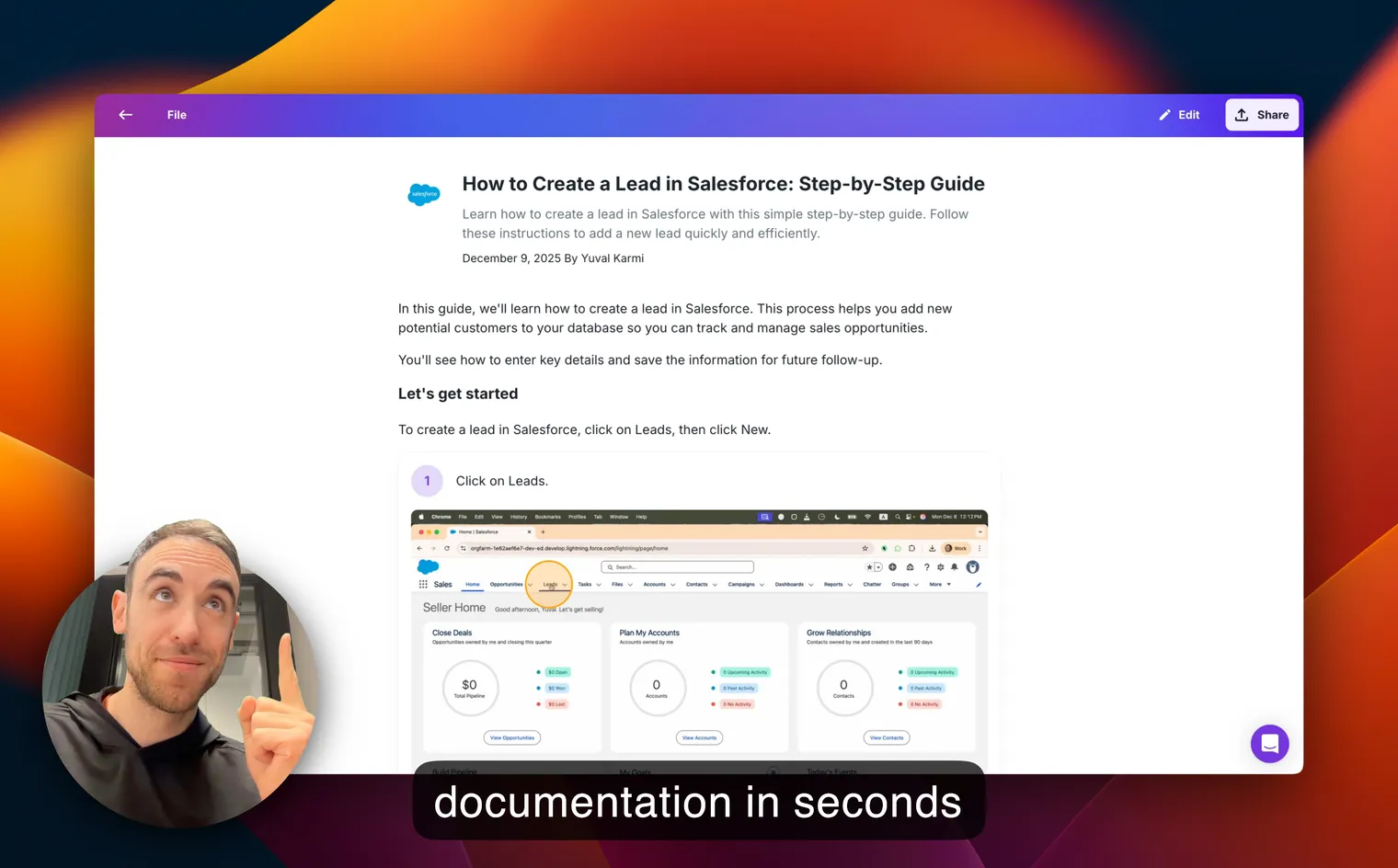
Glitter AI includes a one-click blur tool built right into its documentation workflow. When you capture a process with Glitter, you can quickly obscure any sensitive information that shows up in your screenshots before you publish. Select the blur tool, draw over passwords, email addresses, or personal data, and that information becomes unreadable.
Having this built in means teams do not need to switch to separate software just for privacy protection. The blur tool works alongside Glitter’s automatic step numbering, arrows, and callouts. You can create visual guides for completing work and process documentation that look polished and protect privacy, all in one place.
Teach your co-workers or customers how to get stuff done – in seconds.

Frequently Asked Questions
What is a screenshot blur tool?
A screenshot blur tool is software or a feature that obscures parts of a screenshot to hide sensitive information. It applies blur effects, pixelation, or solid redaction to selected areas, protecting passwords, personal data, or confidential content from being visible.
How do I blur sensitive information in a screenshot?
Open your screenshot in a blur tool or screenshot editor, select the blur or redaction feature, then draw over the areas containing sensitive information. Adjust the blur intensity if needed, and save the edited image. Most tools make this a quick, drag-and-select process.
What is the best tool to blur screenshots?
Popular options include Snagit, Skitch, Lightshot, and CleanShot X for Mac. Online tools like Canva and Fotor also work. For documentation workflows, Glitter AI includes built-in blur functionality alongside automatic step generation and annotations.
Can I blur text in screenshots online for free?
Yes, several free online tools blur screenshots without requiring software installation. Canva, Fotor, and various browser-based editors offer blur features. Keep in mind that uploading sensitive images to online tools may have its own privacy considerations.
What is the difference between blur and redaction in screenshots?
Blur applies a smearing effect that makes content unreadable but still visible as obscured. Redaction typically covers content with a solid color, completely removing any visual trace. Both protect sensitive information, but redaction provides more complete concealment.
Why should I blur sensitive information before sharing screenshots?
Blurring protects privacy and prevents data exposure. Screenshots often accidentally capture passwords, email addresses, personal names, financial data, or proprietary information. Failing to blur this content before sharing can lead to security breaches, privacy violations, or compliance issues.
Can screenshot blur tools automatically detect sensitive information?
Some advanced tools offer smart blur or automatic detection features. Glitter AI's built-in blur includes AI-powered automatic redaction on paid plans, detecting passwords, emails, and PII as part of the documentation workflow - no separate tool required. Other options include Xnapper for one-off screenshots.
How do I blur screenshots on Windows?
Windows does not have built-in blur tools. Use free options like Greenshot or ShareX, or paid tools like Snagit. You can also use online editors like Canva. For documentation purposes, platforms like Glitter AI include blur tools in their workflow.
How do I blur screenshots on Mac?
Mac's Preview app has limited markup but no native blur. Use CleanShot X, Skitch, or Xnapper for blur capabilities. These tools integrate with macOS and provide quick access to blur and pixelation features for protecting sensitive screenshot content.
Is pixelation or blur better for hiding screenshot content?
Both effectively hide information. Blur creates a smooth, smeared appearance that looks more professional. Pixelation creates blocky squares that clearly signal intentional redaction. Choose based on aesthetic preference and how obvious you want the redaction to appear.